Best Board Games for Families: 10 Easy Picks for Game Night
A good family board game does three things: it can be explained in a few minutes, it keeps both a ten-year-old and a grown-up interested, and it ends before anyone loses patience. That is a narrower target than it sounds, and plenty of popular games miss it.
To keep this list useful, we only picked established family-friendly games, every one of them on the shelves for at least five years, and ranked them by how much the community appreciates them. Each pick below tells you how many players it suits, how long it takes, how easy it is to learn and who should skip it.
Family board games at a glance
| Game | Players | Best with | Play time | Learning curve |
|---|---|---|---|---|
| Wingspan | 1–5 | 3 | 70 min | Easy, with a few extra rules |
| Cascadia | 1–4 | 2 | 45 min | Very easy to learn |
| The Quacks of Quedlinburg | 2–4 | 4 | 45 min | Very easy to learn |
| The Quest for El Dorado | 2–4 | 4 | 60 min | Easy to learn |
| Azul | 2–4 | 2 | 45 min | Very easy to learn |
| Codenames | 2–8 | 6 | 15 min | Learned in minutes |
| Pandemic | 2–4 | 4 | 45 min | Easy, with a few extra rules |
| Carcassonne | 2–5 | 2 | 45 min | Very easy to learn |
| Splendor | 2–4 | 3 | 30 min | Very easy to learn |
| Ticket to Ride | 2–5 | 4 | 60 min | Very easy to learn |
Short on time? Codenames and Splendor are the quickest. Want everyone working together against the game? Pandemic. Playing with a big family? Codenames handles up to eight.
The ranking
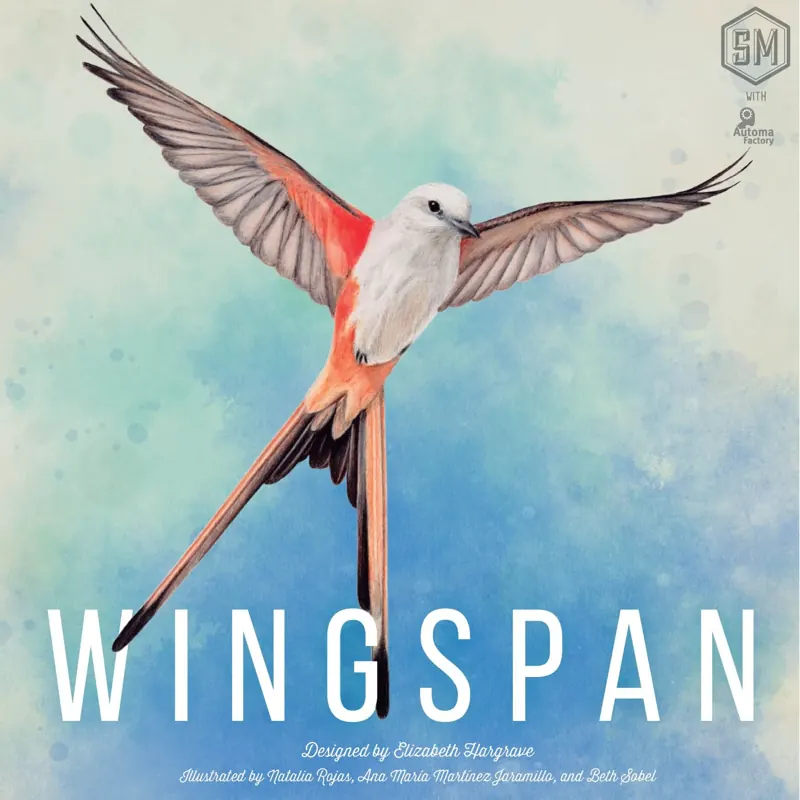
1. Wingspan
A calm engine-building card game about attracting birds to your wildlife preserve. Each bird adds a small power that chains with the others, and the illustrations and facts on the cards make it a pleasure to browse, even for children who have never played a hobby game.
It plays 1–5 players, is best with 3, and takes about 70 minutes. It is the most involved game on this list, but turns are short and there is little conflict.
Pick it if you want a relaxed, beautiful game for curious families. Skip it if your group wants players to fight over the board: everyone mostly builds their own preserve.
2. Cascadia
You build a patch of the Pacific Northwest by placing habitat tiles and wildlife tokens, trying to create the best landscapes and the best animal groupings. Each turn is a simple pick-and-place decision, yet there is always a satisfying puzzle in finding the spot that scores best.
It plays 1–4 players, is best with 2, and takes about 45 minutes. It is quiet and quick to teach.
Pick it if your family likes puzzly, peaceful games. Skip it if you want loud, interactive fun, since players barely affect each other.
3. The Quacks of Quedlinburg
Everyone brews potions at once by pulling ingredient chips from a bag and pushing their luck. Draw too many explosive cherry bombs and your pot blows up. The tension of reaching into the bag, and the groans when it goes wrong, make this a hit with children.
It plays 2–4 players, is best with 4, and takes about 45 minutes. Everyone plays at the same time, so there is almost no waiting.
Pick it if your family enjoys push-your-luck games and a bit of drama. Skip it if anyone dislikes losing to bad luck.
4. The Quest for El Dorado
A race through the jungle in search of a lost city. You build a deck of explorer cards, then use them to hack through the terrain faster than your rivals. Buying better cards each turn gives you a clear sense of progress, and the modular board changes every game.
It plays 2–4 players, is best with 4, and takes about an hour. It is a gentle introduction to deck building.
Pick it if you want a first deck-building game for the family. Skip it if you want deep strategy, since the race is fairly simple.
5. Azul
An elegant tile-drafting game inspired by Portuguese tilework. You pick colored tiles from shared suppliers and place them on your wall to score points. The rules take minutes to explain, but deciding what to take, and what to leave for your opponent, gives it real bite.
It plays 2–4 players, is best with 2, and takes about 45 minutes. It is good looking and works for children and adults alike.
Pick it if you want a short, tactile game that looks great on the table. Skip it if you want lots of variety over many plays, since it can start to feel repetitive.
6. Codenames
Two teams, each guided by a spymaster, try to find their secret agents among 25 word cards. The spymaster gives a one-word clue that links several words at once, and the fun lies in what your teammates make of it. The grid changes every game, so it never feels the same twice.
It plays 2–8 players, is best with 6, and takes about 15 minutes. It is one of the easiest games to teach on this list.
Pick it if you have a big family or a mixed-age crowd that likes talking and laughing. Skip it if your players are too young to read comfortably, or if you only play as a pair.
7. Pandemic
A cooperative game where you and your family play a team of disease-fighting specialists, racing to cure four diseases before outbreaks overwhelm the world. Everyone wins or loses together, which makes it a good fit for families who dislike direct competition.
It plays 2–4 players, is best with 4, and takes about 45 minutes. It has a little more to explain than the others here.
Pick it if you want the whole table working together. Skip it if a strong player tends to take over, since cooperative games can turn into one person giving orders.
8. Carcassonne
A classic of tile laying. You draw a tile, place it to grow a medieval landscape of cities, roads and monasteries, and add a follower to score. It lasts because you can teach it in a few minutes, and the fun comes from deciding where to put each piece.
It plays 2–5 players, is best with 2, and takes about 45 minutes. It has a huge range of expansions if your family wants more depth later.
Pick it if you want a gentle, timeless game for mixed ages. Skip it if you want deep strategy from the base game, which can feel too simple for experienced players.
9. Splendor
You play a gem merchant collecting chips to buy development cards, which give permanent discounts and eventually attract nobles. The engine-building feels clever without being complicated, and the chunky gem tokens are a joy to handle.
It plays 2–4 players, is best with 3, and takes about 30 minutes. It is fast and easy to set up.
Pick it if you want a quick game that rewards planning ahead. Skip it if you want a strong theme or lots of interaction: it is more of a race than a story.
10. Ticket to Ride
A classic gateway game. You collect train cards and claim routes across a map to connect cities, while secret destination tickets decide how many points you score. It is tense without being unfriendly, and easy to teach in about fifteen minutes.
It plays 2–5 players, is best with 4, and takes about an hour. It is one of the most accessible games here.
Pick it if you are playing with children or relatives who are new to modern board games. Skip it if you want fresh surprises on every play, since the best routes start to look familiar.
How to choose your family game
Start with the age and patience of your youngest player. For a fast game that keeps everyone engaged, Codenames and Splendor take half an hour or less. For a longer, calmer evening, Wingspan and Ticket to Ride are the best fits.
Then think about how your family likes to play. Pandemic is the cooperative choice, Quacks of Quedlinburg is the most exciting, and Cascadia and Azul are the most peaceful. If you want to grow into something more demanding later, see our guide to the best strategy board games or the best board games of all time.
To compare more family games by player count, play time or price, browse the full Hobbli catalog and filter by what you need.