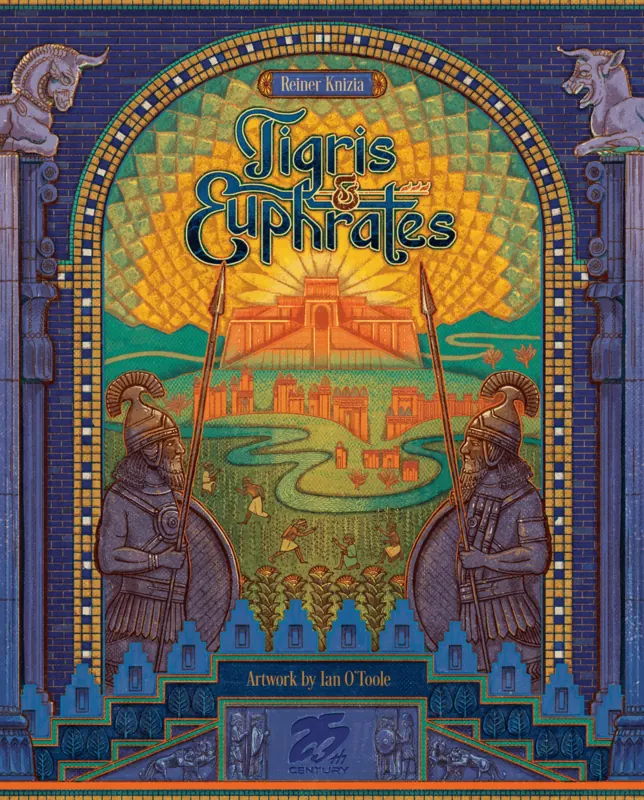
Tigris & Euphrates
- Players
- 2-4
- Best withThe player count this game plays best at.
- 4 players
- Play timeHow long a full game runs once everyone knows the rules.
- 120 min
- AgeThe minimum age printed by the publisher.
- 14+
- ComplexityHow demanding the rules are, from 1 (very light) to 5 (very heavy).
- 3.5 / 5
- Year
- 1997
About the game
Tigris & Euphrates, widely regarded as Reiner Knizia's masterpiece, sets rival civilizations in conflict along the ancient fertile crescent through careful tile placement. Each player wields four leaders representing farming, trade, religion, and government, but final scores are capped by whichever category scores lowest, forcing balanced growth. Conflicts erupt when civilizations connect on the board, with only one leader of a kind surviving the clash. It is a lean, ruthless abstract strategy game where a single misplaced tile can topple an empire.
Hobbli's Notes
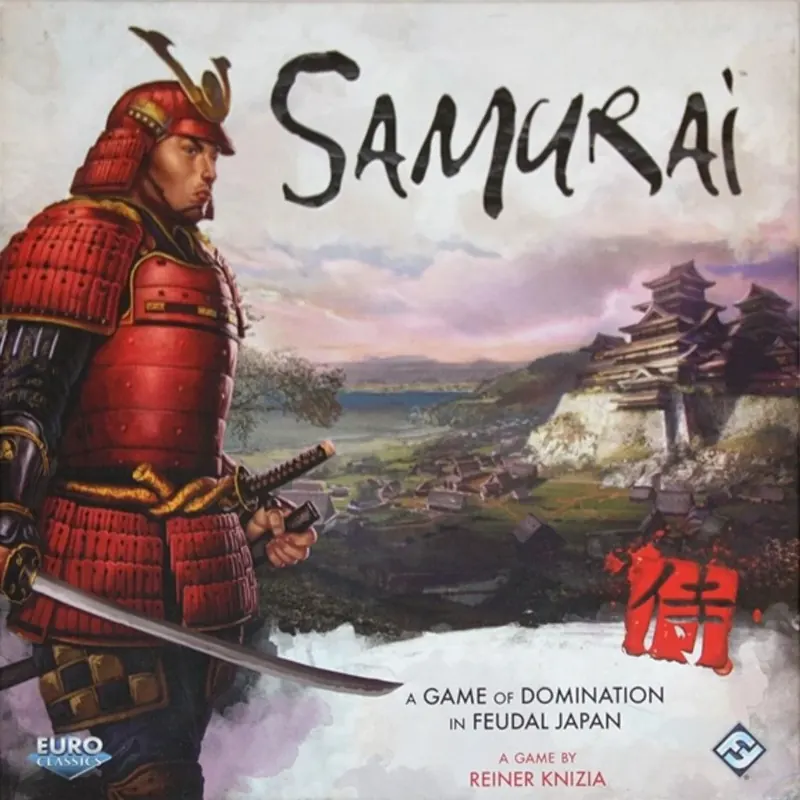
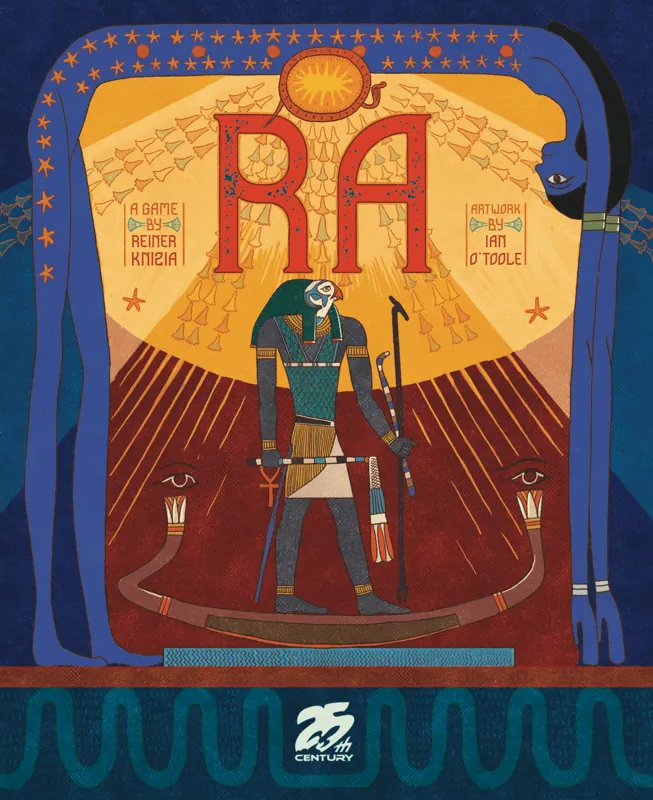
Decades after release, Tigris & Euphrates remains a benchmark for elegant, punishing abstract design. The lowest-score-counts rule is brilliant because it forces genuine strategic balance rather than runaway specialization. It's not a warm, thematic experience, but for players who love pure strategic tension, few games reward mastery this deeply. We recommend it to anyone who enjoyed Knizia's other classics like Ra or Samurai.
What we like
- Elegant rules hide tremendous strategic depth.
- The weakest-category scoring rule forces balanced, thoughtful play.
- External and internal conflicts create constant tactical tension.
- Timeless design that rewards repeated play.
Keep in mind
- Thin theme may disappoint players wanting more narrative immersion.
- Can feel harsh or punishing to newcomers unfamiliar with Knizia's style.
- Two-player games can play very differently from three or four.
Who it's for
Ideal for serious abstract strategy fans, ages 12 and up, playing in pairs or small groups who enjoy tight, competitive tile games.